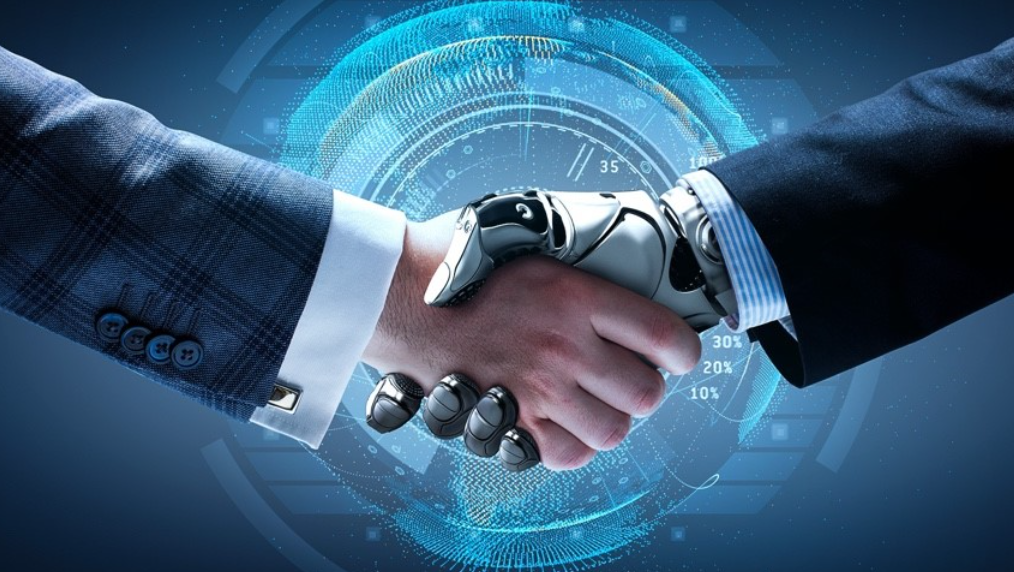

The future of work is evolving rapidly in response to digital advancements. Remote work has transformed traditional employment paradigms, allowing for unprecedented flexibility. Meanwhile, automation and artificial intelligence are reshaping job roles and organizational structures. As businesses adapt, the focus shifts toward collaboration and innovation. This evolution raises critical questions about the nature of work itself. What implications will these changes hold for individuals and organizations alike?
The Rise of Remote Work
How has the landscape of employment transformed in recent years?
The rise of remote work, fueled by advanced virtual collaboration tools, has redefined traditional office paradigms. As organizations embrace this shift, remote team dynamics flourish, empowering individuals to work autonomously.
This innovative approach not only enhances productivity but also cultivates a culture of freedom, enabling workers to design their own professional journeys.
Automation and Its Impact on Job Roles
As organizations increasingly integrate automation into their operations, the impact on job roles is becoming increasingly profound and multifaceted.
While automation may lead to job displacement, it simultaneously facilitates skill enhancement, urging workers to adapt and evolve.
This transformation cultivates a workforce empowered with new capabilities, fostering innovation and creativity, ultimately redefining the meaning of work in a liberated, digital future.
See also: The Future of Wearable Tech: Beyond Smartwatches
Embracing Artificial Intelligence in the Workplace
While the integration of artificial intelligence (AI) in the workplace presents both challenges and opportunities, organizations that embrace this technology are poised to revolutionize their operational frameworks.
AI integration fosters enhanced workforce collaboration, enabling teams to harness data-driven insights for improved decision-making.
Adapting to a New Organizational Structure
The shift towards artificial intelligence in the workplace is prompting organizations to rethink their traditional structures and embrace more agile frameworks.
By adopting agile methodologies, companies can cultivate hybrid teams that thrive on collaboration and adaptability.
This transformation not only enhances efficiency but also fosters a culture of innovation, empowering individuals to work autonomously and creatively, ultimately redefining the essence of organizational success in the digital era.
Conclusion
As the digital horizon expands, the future of work unfolds like a vibrant tapestry, woven with threads of flexibility, creativity, and collaboration. Organizations, now more like living organisms than rigid structures, adapt and evolve in response to the relentless pulse of innovation. Embracing the symbiosis of human ingenuity and artificial intelligence, they illuminate pathways to unprecedented possibilities. In this brave new world, every individual is both an architect and a navigator, charting their own course in the ever-changing landscape of their careers.


 By
By



 By
By