

The landscape of wearable technology is rapidly evolving. Innovations in health monitoring are becoming more sophisticated, offering users real-time insights into their well-being. Augmented reality wearables are transforming how individuals interact with their surroundings, while smart fabrics are merging fashion with functionality. This convergence of technology and lifestyle raises important questions about the future of personal devices and their impact on daily life. What might the next wave of innovation reveal?
Innovations in Health Monitoring
As technology continues to evolve, innovations in health monitoring are emerging that extend far beyond traditional wearables like smartwatches.
Biometric sensors are now integrated into various devices, enabling real-time health assessments and remote diagnostics. This advancement empowers individuals with unprecedented autonomy over their well-being, allowing for proactive health management and timely interventions, ultimately fostering a more liberated approach to personal health care.
The Rise of Augmented Reality Wearables
The evolution of health monitoring technologies has paved the way for the emergence of augmented reality (AR) wearables, which are reshaping how users interact with their environment and information.
AR applications provide immersive experiences that enhance daily activities, from navigation to education, allowing individuals to seamlessly integrate digital content into the physical world.
This innovation empowers users, fostering a deeper connection with their surroundings.
See also: The Future of Wearable Mobile Devices
Smart Fabrics and the Future of Personal Technology
While traditional wearable technology has primarily focused on standalone devices like smartwatches and fitness trackers, the advent of smart fabrics is set to revolutionize personal technology by embedding functionality directly into textiles.
Smart textiles enable adaptive clothing that responds to environmental changes, enhancing user experience. This integration offers unprecedented freedom, allowing individuals to seamlessly merge fashion with technology while maintaining comfort and functionality in their everyday lives.
Conclusion
As wearable technology continues to evolve, its impact on health and lifestyle becomes increasingly profound. A recent study indicates that the global wearable health tech market is projected to reach $60 billion by 2023, highlighting the rapid adoption and innovation in this field. With advancements in augmented reality and smart fabrics, the future promises a seamless integration of technology into daily life, empowering individuals to take charge of their health and enhancing their overall experience in unprecedented ways.


 By
By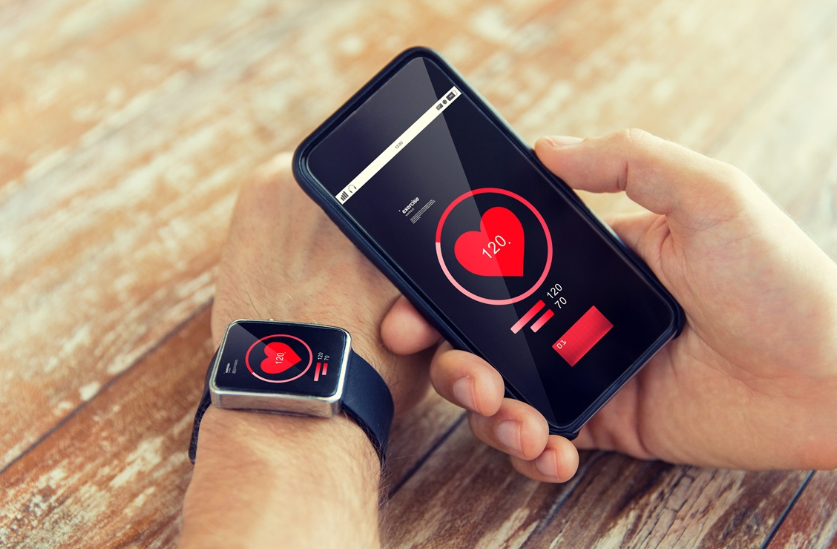



 By
By