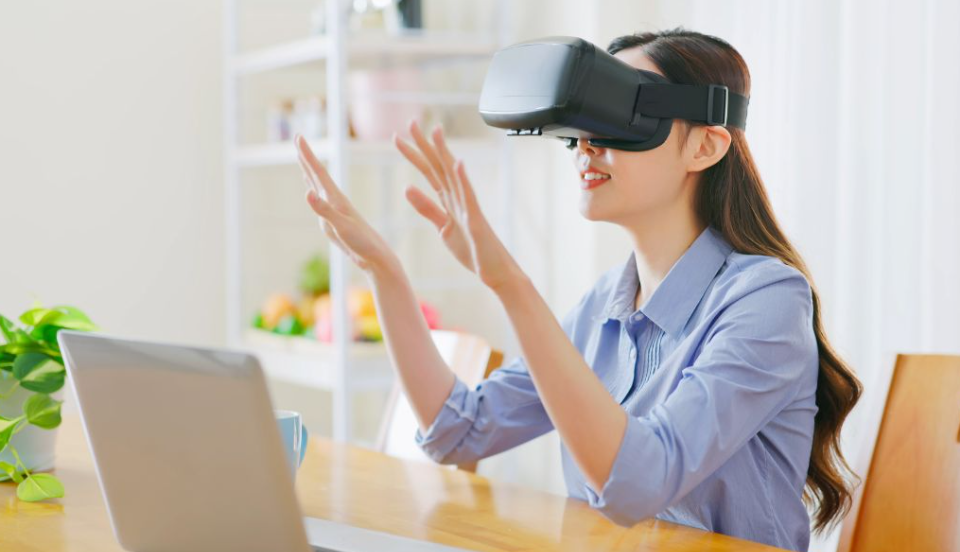

The landscape of virtual meetings and remote work is undergoing a profound transformation. With the emergence of hybrid work models, flexibility and employee well-being are taking center stage. Organizations are increasingly adopting innovative tools to facilitate collaboration and enhance communication. This shift raises important questions about engagement, workplace culture, and trust within remote teams. How will these changes redefine productivity and job satisfaction in the evolving work environment?
The Rise of Hybrid Work Models
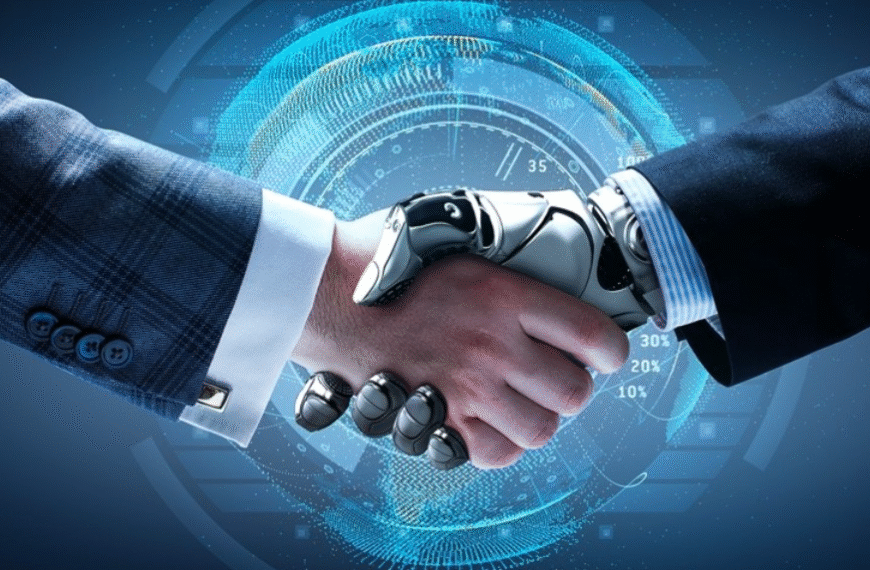
As organizations adapt to the evolving landscape of work, the rise of hybrid work models has emerged as a pivotal trend.
These models offer remote flexibility, allowing employees to choose their work environments. By prioritizing employee well-being, organizations foster a culture that enhances productivity and job satisfaction.
This shift not only supports individual needs but also aligns with a broader movement towards more adaptable work structures.
Innovative Tools Shaping Virtual Collaboration
The shift towards hybrid work models has prompted organizations to seek innovative tools that enhance virtual collaboration.
Virtual whiteboards, for instance, allow teams to brainstorm and visualize ideas collectively, fostering creativity.
Additionally, platforms offering real-time feedback facilitate dynamic communication, ensuring that input is immediate and relevant.
These tools empower teams to collaborate seamlessly, breaking down geographical barriers and promoting a more flexible work environment.
Enhancing Engagement in Remote Meetings
While remote meetings offer flexibility and convenience, ensuring participant engagement remains a significant challenge for organizations.
Implementing interactive icebreakers can invigorate discussions, fostering connections among team members.
Additionally, incorporating real-time feedback mechanisms empowers participants to voice their thoughts, enhancing collaboration.
The Future of Workplace Culture and Communication
Remote meetings have fundamentally transformed workplace dynamics, prompting a reevaluation of workplace culture and communication.
Organizations are increasingly adopting innovative communication strategies that prioritize trust building among remote teams. By fostering open dialogue and collaboration, companies can cultivate a sense of belonging, even in virtual environments.
This shift encourages a more flexible, inclusive culture, ultimately enhancing productivity and employee satisfaction in the remote work landscape.
Conclusion
As organizations navigate the evolving landscape of remote work, the adoption of hybrid models is becoming increasingly prevalent, with studies revealing that 70% of employees prefer a flexible work arrangement. This shift underscores the importance of innovative tools that enhance virtual collaboration and engagement. By prioritizing a positive workplace culture and trust-building, companies can boost productivity and job satisfaction. Ultimately, the future of virtual meetings will hinge on adaptability, technology, and a commitment to employee well-being.

 By
By

 By
By