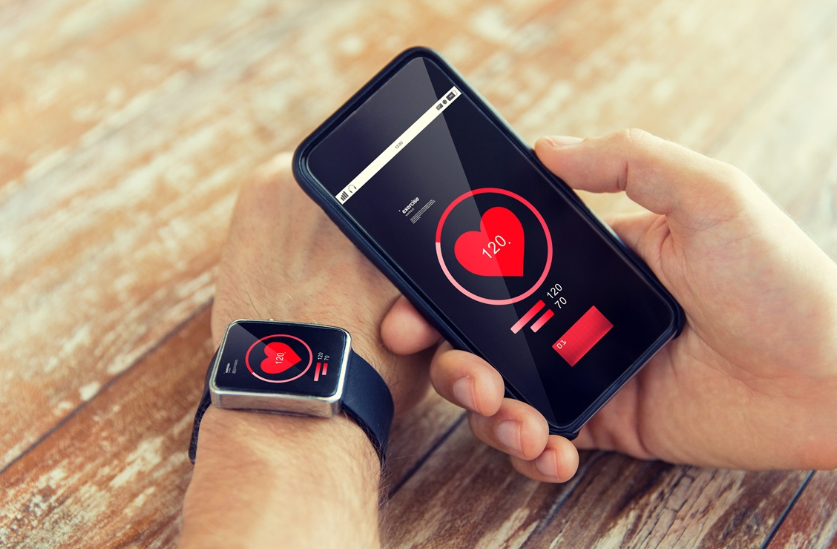

The future of wearable mobile devices promises significant innovations, particularly through the integration of artificial intelligence. These advancements could revolutionize health monitoring, offering users unprecedented insights into their well-being. However, challenges such as battery life and data privacy remain critical obstacles. As the landscape evolves, understanding how these technologies will shape user experiences and personal health management becomes essential. What new possibilities might emerge as these hurdles are addressed?
Emerging Technologies in Wearable Devices
As advancements in technology continue to accelerate, the realm of wearable devices is witnessing a surge of innovative applications and features.
Biometric sensors are increasingly integrated, enabling real-time health monitoring and personalized feedback.
Meanwhile, flexible displays are revolutionizing design, allowing for more comfortable and versatile devices.
Together, these technologies promise to enhance user experiences, fostering a greater sense of autonomy and engagement in personal health management.
See also: The Future of Virtual Meetings and Remote Work
The Role of Artificial Intelligence
How can artificial intelligence reshape the landscape of wearable mobile devices?
With seamless AI integration, these devices can harness predictive analytics to anticipate user needs and enhance functionality.
By analyzing data patterns, wearables can provide personalized insights, improving health monitoring and lifestyle management.
This transformative potential empowers users, granting them greater autonomy and control over their well-being in an increasingly connected world.
Challenges and Limitations
Despite the promising advancements brought by artificial intelligence in wearable mobile devices, significant challenges and limitations remain.
Chief among these are concerns regarding battery life, as users demand longer-lasting devices without sacrificing functionality.
Additionally, user privacy continues to be a critical issue, with data security breaches threatening personal information.
Addressing these challenges is essential for the widespread adoption of wearable technology.
Future Applications and Trends
Possibilities lie ahead for wearable mobile devices as technology continues to evolve. Future applications are poised to enhance health monitoring and fitness tracking, integrating augmented reality for immersive experiences.
As market growth accelerates, a focus on user interface design will ensure accessibility. However, concerns over data privacy must be addressed to foster user trust and promote widespread adoption of these innovative technologies.
Conclusion
In the evolving landscape of wearable mobile devices, the integration of AI and emerging technologies is akin to opening a door to a new realm of personalized health and lifestyle management. As these devices enhance user experiences through innovative features, the challenges of battery life and data privacy loom like shadows on the horizon. Nevertheless, the future promises a vibrant tapestry of possibilities, empowering individuals to take charge of their well-being and embrace a more connected life.


 By
By



 By
By